Relaxation techniques
Body scan
This technique can help release tension. Note that it may not suit you if you’ve had recent surgery or have intense pain in certain areas, see your GP for advice first.
Follow the steps below:
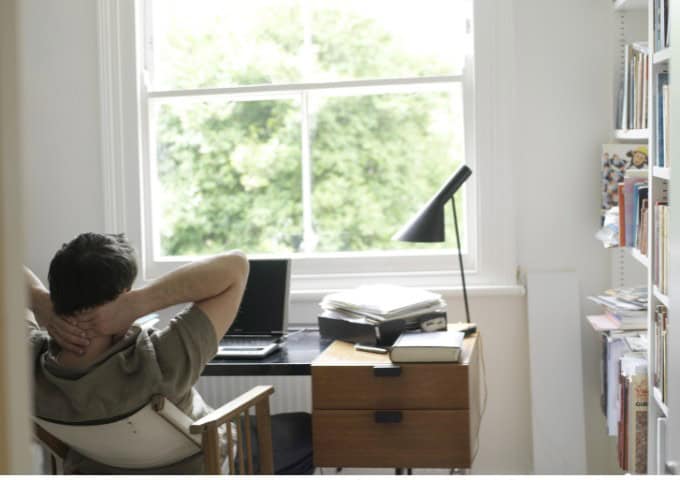
- Get comfortable in a seated or lying position.
- Close your eyes and take a few deep breaths. Notice how your breath feels as it enters your nose.
- Choose where to start your scan or begin at the top of your head. Focus on that area and notice the sensations. Can you feel the chair or floor? Is it cold or warm? Is there any tension or discomfort?
- Try to accept any tension or discomfort without judgement. Keep your attention on that area of the body and breathe slowly. With each breath, imagine the tension or discomfort easing.
- When you’re ready, move your focus to the next part of your body and repeat steps 3 to 5.
- Throughout the process, you may find your mind has wandered. That’s completely normal. Gently guide your mind back to your scan.
- When you have finished scanning each part of your body, keep breathing deeply for a few minutes as you notice how your body feels.
- Bring your attention back to your surroundings to end the body scan.
Progressive muscle relaxation
This technique is like the body scan, but instead of just noticing each part of your body, you tense and then relax each muscle group.
Start the same way: find a quiet place and get comfortable, sitting or lying down. Close your eyes and take a few deep breaths. As you reach each muscle group, tense the muscles for a few seconds, then relax. Repeat a few times to help the muscles relax a little more deeply each time.
If you have any injuries or ongoing pain, check with your doctor before trying this exercise.
Some ideas you can do for the different muscle groups:
- Face: squeeze your eyes shut and then release.
- Forehead: scrunch your eyebrows or wrinkle your forehead, then relax.
- Mouth: smile as wide as you can, then relax.
- Shoulders: shrug by moving your shoulders upwards, then relax.
- Chest: breathe in deeply, then breathe slowly out.
- Arms: stretch your arms in the air, reach up, then relax.
- Hands: make a fist, then relax.
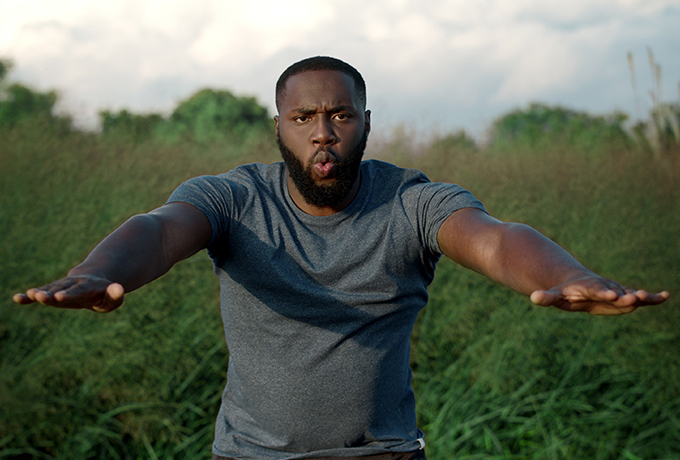
- Hands: stretch your hands out, then relax.
- Feet: point your toes, then relax.
When should you do relaxation exercises?
Try to practise your relaxation exercises every day or a few times a week. The more you practise, the easier it will be to achieve relaxation and lower your stress. It can also help to use them in a moment of stress.
If you’re still feeling stressed after practising regularly, don’t be afraid to ask for help. Talking to your GP or a health professional can give you more ideas for reducing stress in your life.
MensLine Australia counsellors are available 24/7, and our service is free. Call 1300 78 99 78 or click the chat button on the right to access online counselling.
If it is an emergency, call 000.
References
[1] https://www.health.harvard.edu/mind-and-mood/six-relaxation-techniques-to-reduce-stress
[2] https://www.apa.org/monitor/2008/10/relaxation