Recognising drug addiction signs
Here we look at the signs of drug addiction and where to get support.
Read moreHere we look at the signs of drug addiction and where to get support.
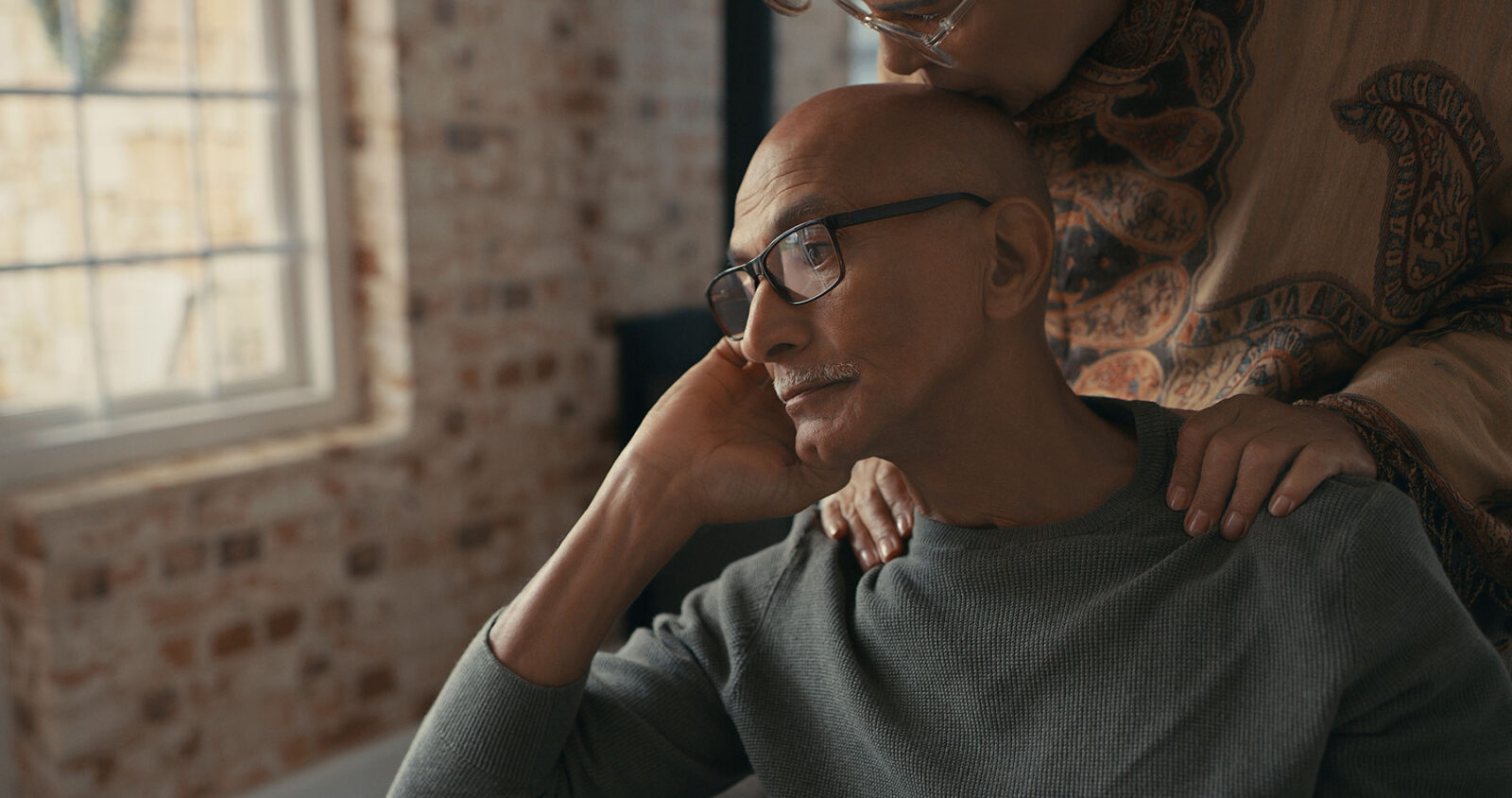
Drug addiction, sometimes called drug dependence, is when drug use becomes hard to control and continues even though it is causing harm. It can involve illegal drugs or prescription medicines. Over time, regular use can affect your judgement, mood, memory, and decisions, and take a toll on your health, relationships, and daily life.
This article focuses on other drugs. If alcohol or gambling is the main concern, our pages on problem drinking and problem gambling may be more useful.
Everyone’s experience is different, but you might notice some of these signs:
If some of this sounds familiar, you are not alone. Noticing what is going on is a real first step to getting support.
For many people, drug use starts as a way to cope, to dull physical or emotional pain, or to get some relief from a hard situation. There is usually a mix of reasons behind it, which can include:
The relief felt tends to be short-lived, and over time, drug use can make things harder. Understanding what is driving your use is a step towards change.
Recovery is possible, and you do not have to work it out on your own. A good place to start is to speak to your GP or another health professional, who can talk through your options without judgement and point you to the right support.
One important note: if you have been using regularly, it can be risky to stop some drugs suddenly. Withdrawal from some substances can be dangerous, so it is safest to make changes with the support of a doctor or an alcohol and other drug professional.
If you suspect you or someone else is having a drug overdose, call 000 immediately for an ambulance.
Health professionals
If you are not sure where to start, you can make an appointment to see your GP. They can assess your situation and advise you on treatment options, such as counselling, therapy, rehabilitation, treatment programs, and support groups.
Your doctor may also refer you to a counsellor or psychologist. According to the Australian Psychological Society, there is a range of psychological treatments that can help people who experience problems with drug use, including [1]
National Alcohol and Other Drug Hotline
The National Alcohol and Other Drug Hotline provides free and confidential advice about alcohol and other drugs, including available treatment options. Call 1800 250 015.
Counselling Online
Counselling Online is a free, confidential service that provides 24/7 support to people affected by alcohol or drug use across Australia.
They provide counselling for people seeking support for the first time, anyone who is in treatment and needs extra support, or anyone who has had a relapse. You can visit their website for online counselling, resources, and to access their community forum.
Service directories
Helplines available 24/7
For support, you can call these free helplines:
If drugs are affecting your life, you do not have to face it alone. MensLine Australia is free and available 24 hours a day, seven days a week. Call us on 1300 78 99 78 or click the chat button on the right for online counselling.
If it is an emergency, call 000.
[1] https://psychology.org.au/for-the-public/psychology-topics/drugs-and-alcohol
Here we look at the signs of drug addiction and where to get support.
Read more
If drinking alcohol is negatively impacting your life, you are not alone. Here, we explore ways to understand and address problem drinking.
Read more
If gambling has started to affect your life, your relationships, or your finances, you are not alone. Here we look at the signs of problem gambling and the support that can help you take back control.
Read more